
Kyle Whyte: The Trail So Far
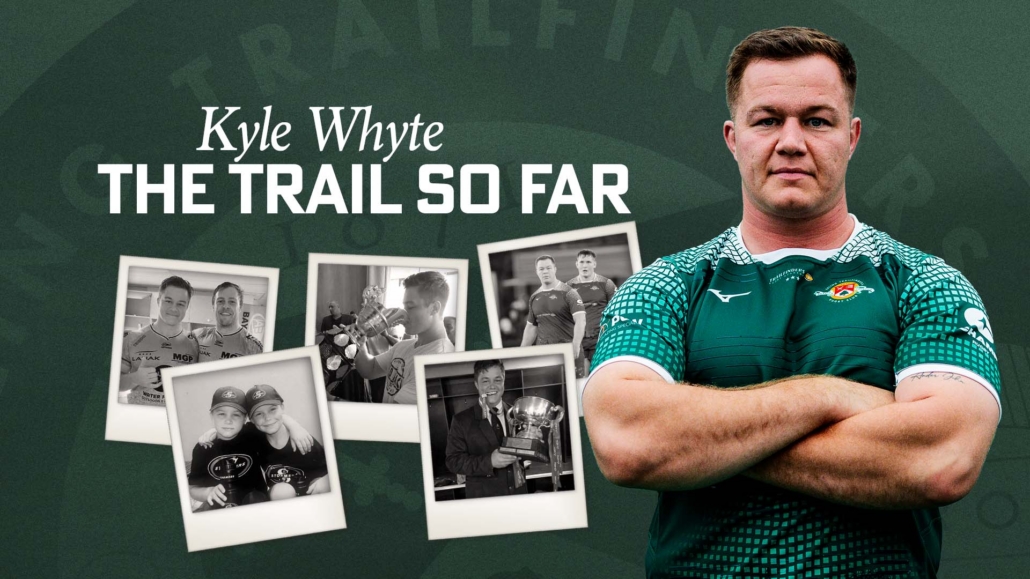
Not many professional athletes become club centurions, but Kyle Whyte is one who has.
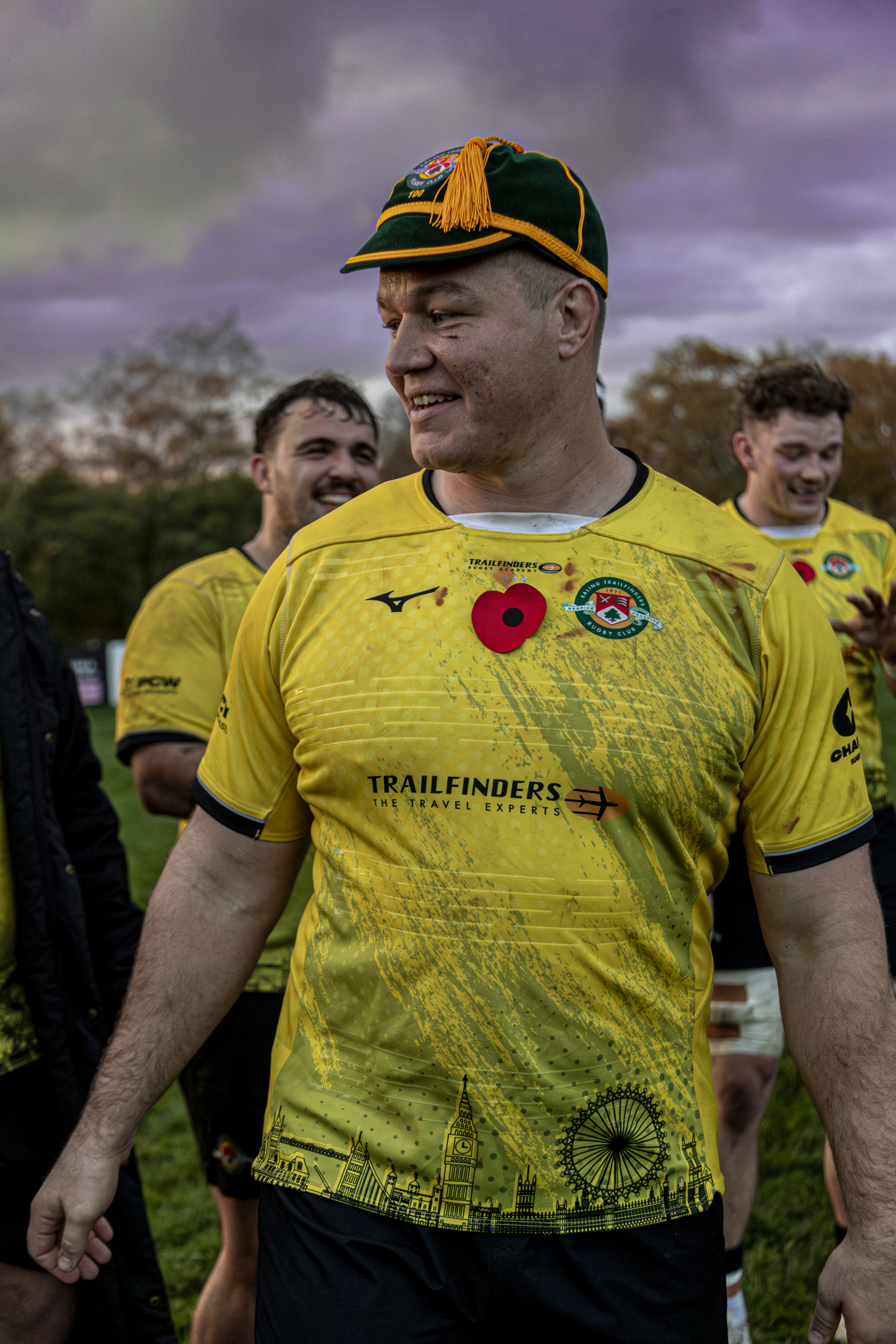
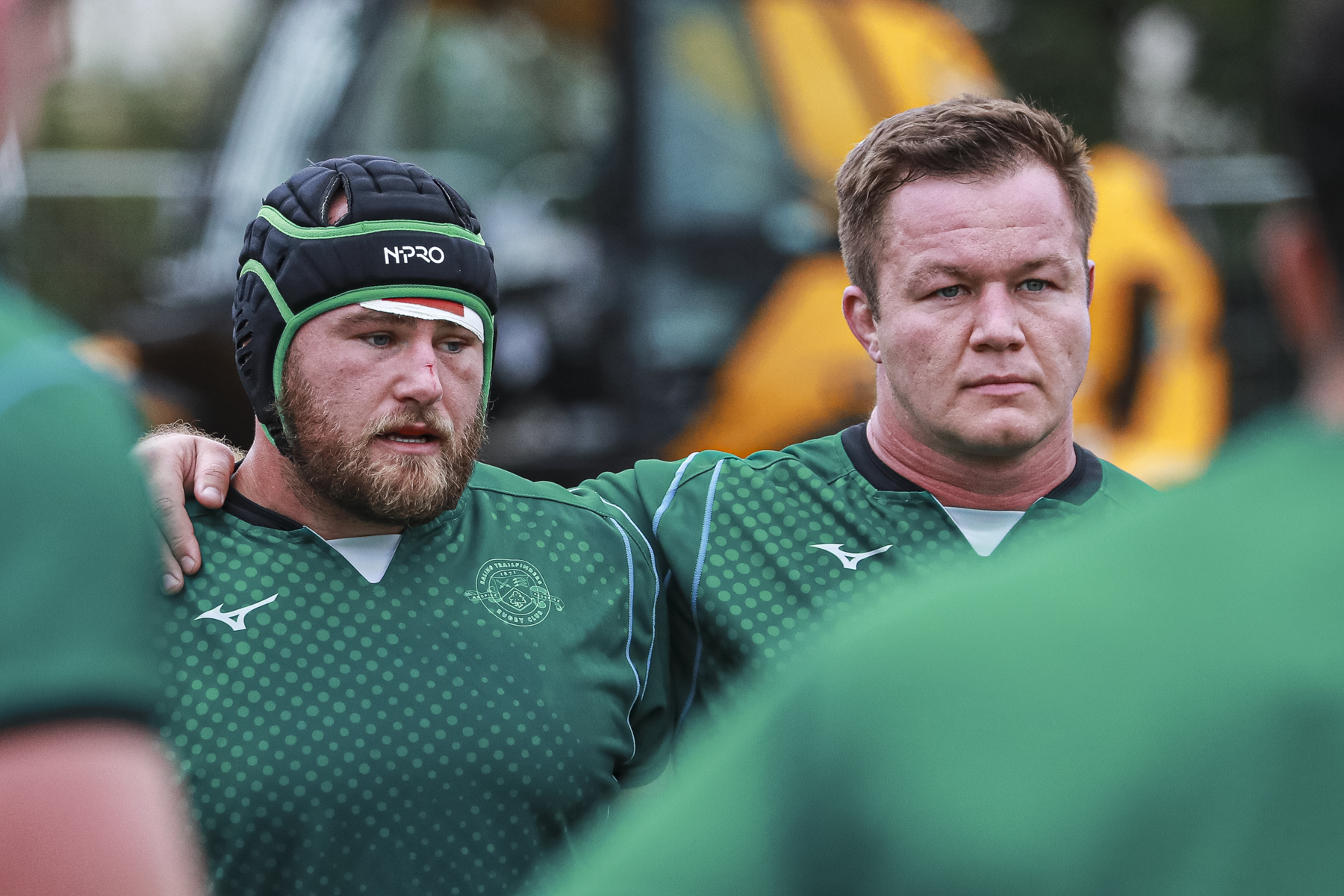
After receiving his 100th cap for Ealing Trailfinders in the 0-71 win over Ampthill in Round Six of the Champ this season, the loosehead prop joined eight other club centurions on the Trailfinders wall situated in the clubhouse at Trailfinders Sports Club. Whyte joined Trailfinders in 2020. Yet, it was a diverse journey that led the South African born prop down the Trail to West London. This is the Trail So Far for Kyle Whyte.
Rugby Beginnings
Whyte was born in the mid-1990s in South Africa into a rugby loving family. Following in his father’s footsteps, Whyte picked up rugby in some of the best sporting schools in Cape Town and Johannesburg.
‘The first school I played for in South Africa was Bishops Diocesan College. My dad actually did a bit of coaching at the school. He came and coached me at under nine level. It was cool to have my dad being on the sidelines and teaching me directly.
‘My dad was also a prop, but he went to lots of different schools growing up and I moved from Cape Town to Johannesburg back to Cape Town because of his work.’
Whilst Whyte recalled his first memory of rugby at Bishops, he said that he learnt much of his early rugby skills at Rondebosch Boys’ School. Rondebosch boasts an array of professional sporting alumni including Joel Stansky, Springbok fly-half famous for the winning drop goal against New Zealand in the 1995 Rugby World Cup final.
‘I was only at Bishops for two-three years,’ Whyte said. ‘At that age, it wasn’t really competitive. It was more about learning the gist of rugby. After that, I lived in Johannesburg for two years then moved back to Cape Town and went to school at Rondebosch. I stayed there from when I was twelve to eighteen.
‘I think a lot of the schools in South Africa are very rugby driven and Rondebosch is a big rugby school in South Africa. They did push other types of sports, though rugby was one of the main sports. You could see that on the weekends when they made it compulsory for other students to come and watch the first team play. I had to watch the first team play from a young age and I always wanted to be a part of that.’
Rugby was not the only sport Whyte was involved with growing up, however.
‘I did waterpolo when I was younger. It is a team sport but at the same time the training is very solo. A lot of it is about improving your fitness. It was a good cross with rugby – it meant I was fit.’
With temperatures of high twenties edging into thirty degrees Celsius, South Africa boasts weather that many Brits can only dream of. Whyte recalled fond memories of being in the pool on hot days back in South Africa.
‘It was really nice to be in the pool in the summer playing waterpolo. I made it to the provincial teams. I really enjoyed it.’
Come his penultimate year at school, Whyte had to make a decision between the two sports.
‘My parents said to me to pick one sport over the other because I had to focus on my academics. As a career choice, there were a lot more options with making a career out of rugby in South Africa so that’s one of the reasons why I chose rugby.
‘It was an easy decision to pick rugby over waterpolo. The 6 o’clock training sessions before school, being in the pool where it’s just swimming and then another session after school… it was a lot of training and time away from the study books.
‘Rugby was a sport I could make more a career out of compared to waterpolo too.’
The Journey
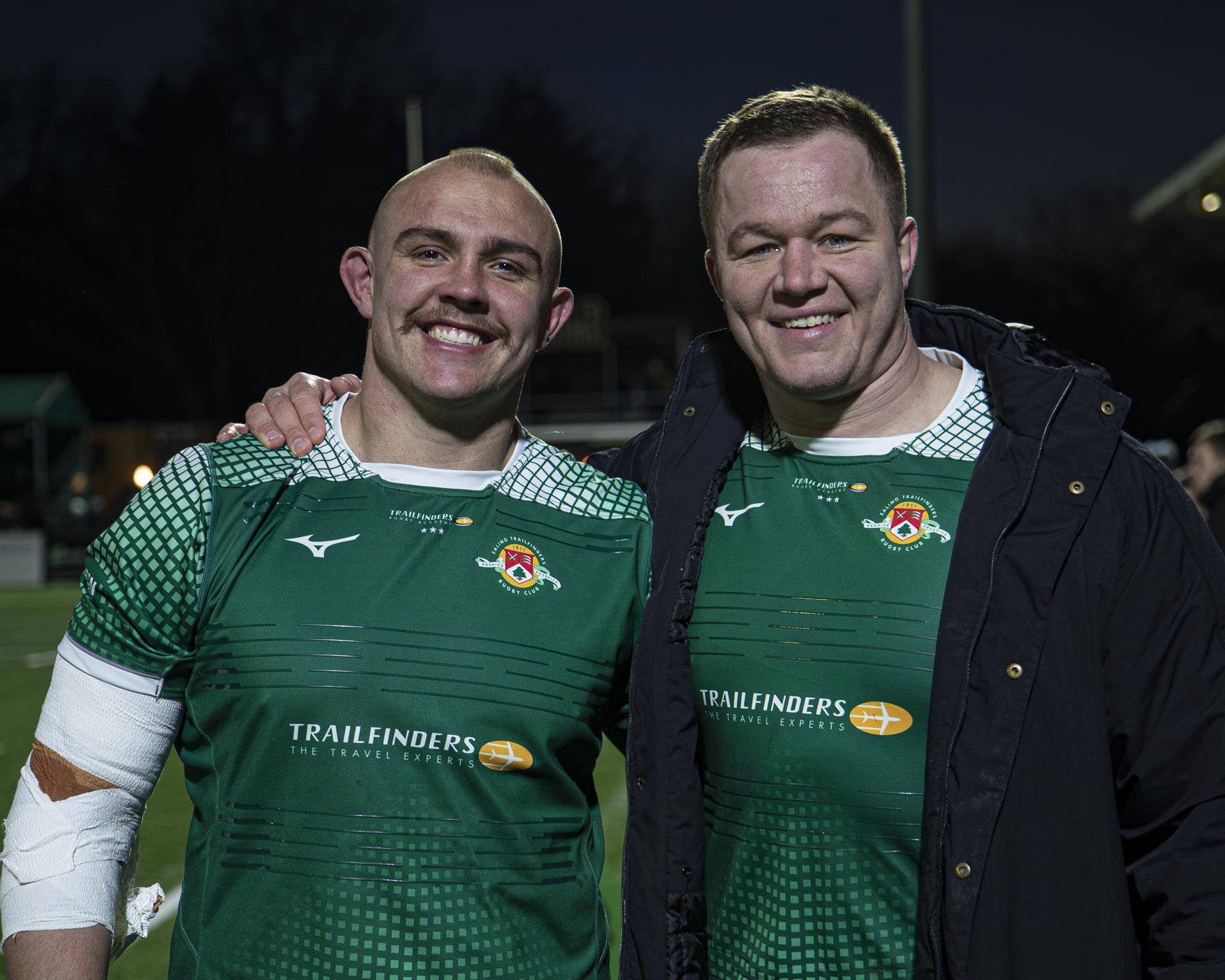
Growing up in Cape Town, there’s a huge community behind the DHL Stormers, formerly the Stormers. Perhaps it was fate that schoolboy Whyte donning a Stormers cap would one day wear that club badge on his chest as a professional player.
‘My dad is a big Stormers supporter. I’ve got pictures of me and my cousin wearing Stormers t-shirts, going to watch the games on a Saturday at Newlands. I always wanted to play for them.’
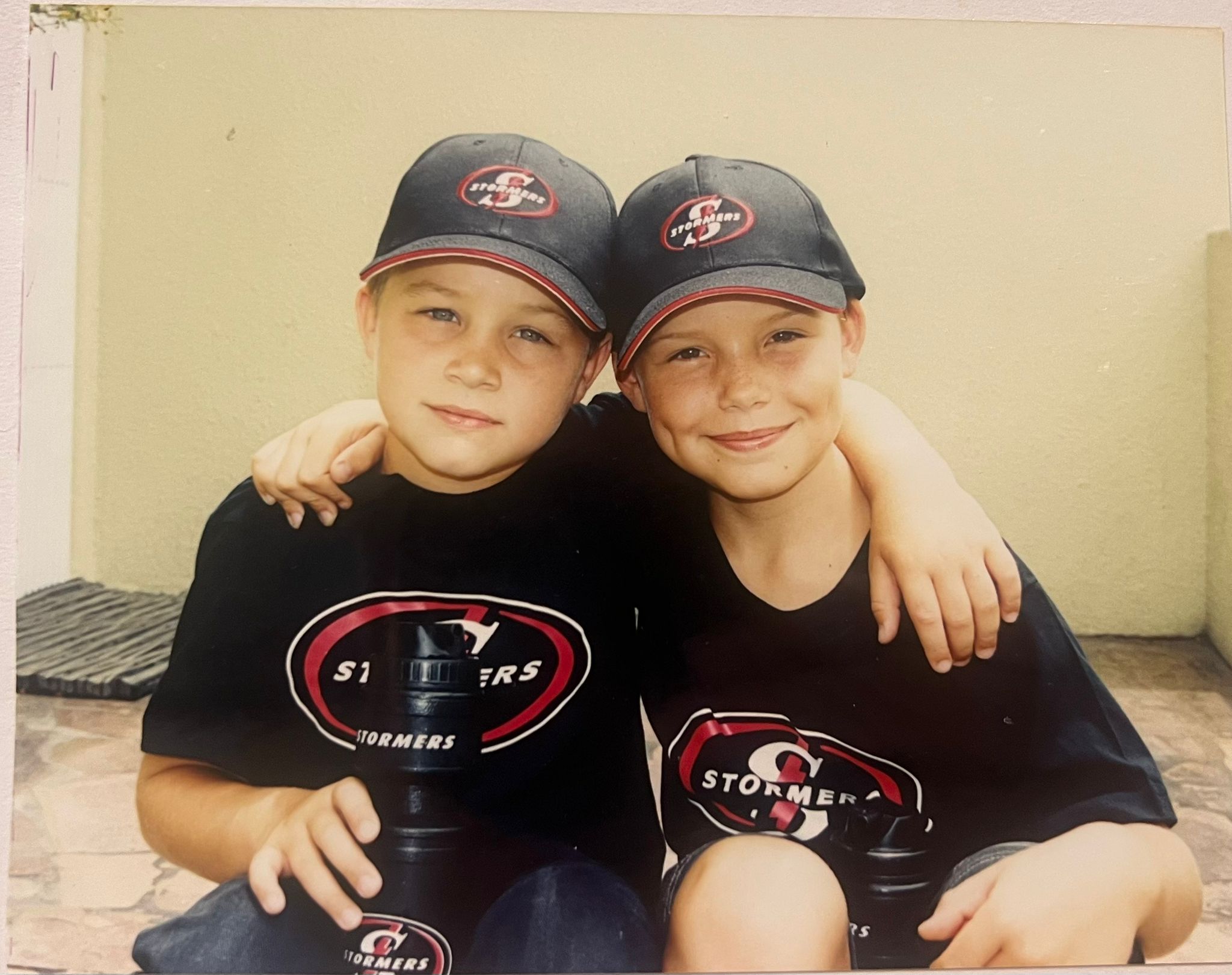
Kyle Whyte (left) and his cousin Grant (right)
‘When I was at school, my agent Rod Labuschagne actually ended up being a coach of mine when I was sixteen. He approached me and said that he thought I had potential. He pushed me through the career side of rugby.
‘I started my rugby career straight out of school. My first professional contract at under nineteen was basically a year spent in a hotel with other players, and it was rugby every day. That year primed me for professional sport: being in that mindset of playing every day. My job was to play rugby.
‘Between nineteen and twenty-one, I played for Western Province in the Currie Cup and then got my first senior contract with Western Province Stormers.
‘My dad was born in Inverness, Scotland which meant I was Scottish-qualified. That opened up the opportunity for me to play rugby in Edinburgh. I was so excited about it as I had dreamt of going overseas and playing rugby.
‘I moved to Scotland for around two years. I really loved living in Edinburgh. After my time in Scotland, I moved back to South Africa to be with the Sharks.’
Prior to playing in the United Rugby Championship, the Durban-based club featured in Super Rugby as well as the Currie Cup, though an injury to Whyte’s shoulder meant he missed much of the Super Rugby season.
‘With my shoulder injury, I did miss out, though it was nice to be part of the team that won the Currie Cup and celebrate with the other boys.’
With every cloud comes a silver lining, however.
‘Whilst I was at the Sharks, we had a coach in residence who came for a three-week coaching clinic. He was the Head Coach for Bayonne in France. He asked if I would be interested in playing in France given that the Super Rugby season had ended and the club rugby season in France was just about to get started. So, I moved over to France.
‘I really enjoyed living there. It was such a different culture, and they help you learn the language. I had two sessions a week where I sat with someone and they taught me French. Though, I was quite lucky because at that time, I had joined Bayonne when there were twelve other international players so I wasn’t just thrown into the deep end with it all.
‘I was still doing some rehab when I arrived at Bayonne and the guy I was working with had never left France. There were a lot of hand gestures and signing to get the messages across at times.
‘Bayonne is a beautiful place. I still go back to visit my son who lives there.’
Professional sport does mean that many things can remain uncertain. At the time Whyte was contracted with Bayonne, the club was playing in the Pro D2, the league below the Top14. Though promotion and relegation are a pinnacle part within professional club rugby in France, Whyte did not know if Bayonne had budget to keep him contracted for another season.
‘I didn’t know if Bayonne was going to get promoted that season and the forwards coach from London Scottish—who were still a full-time team at the time—had been at Edinburgh at the same time as me. He reached out to me and asked if I wanted to come back to the UK. I jumped at the opportunity because there was so much uncertainty around budget at Bayonne.
‘Funnily enough, Bayonne ended up winning the league and got promoted. I could have had a season in the Top14. Yes, I could have waited for Bayonne to decide on my fate but there was too much uncertainty. You have to make a decision when stuff like that comes your way.’
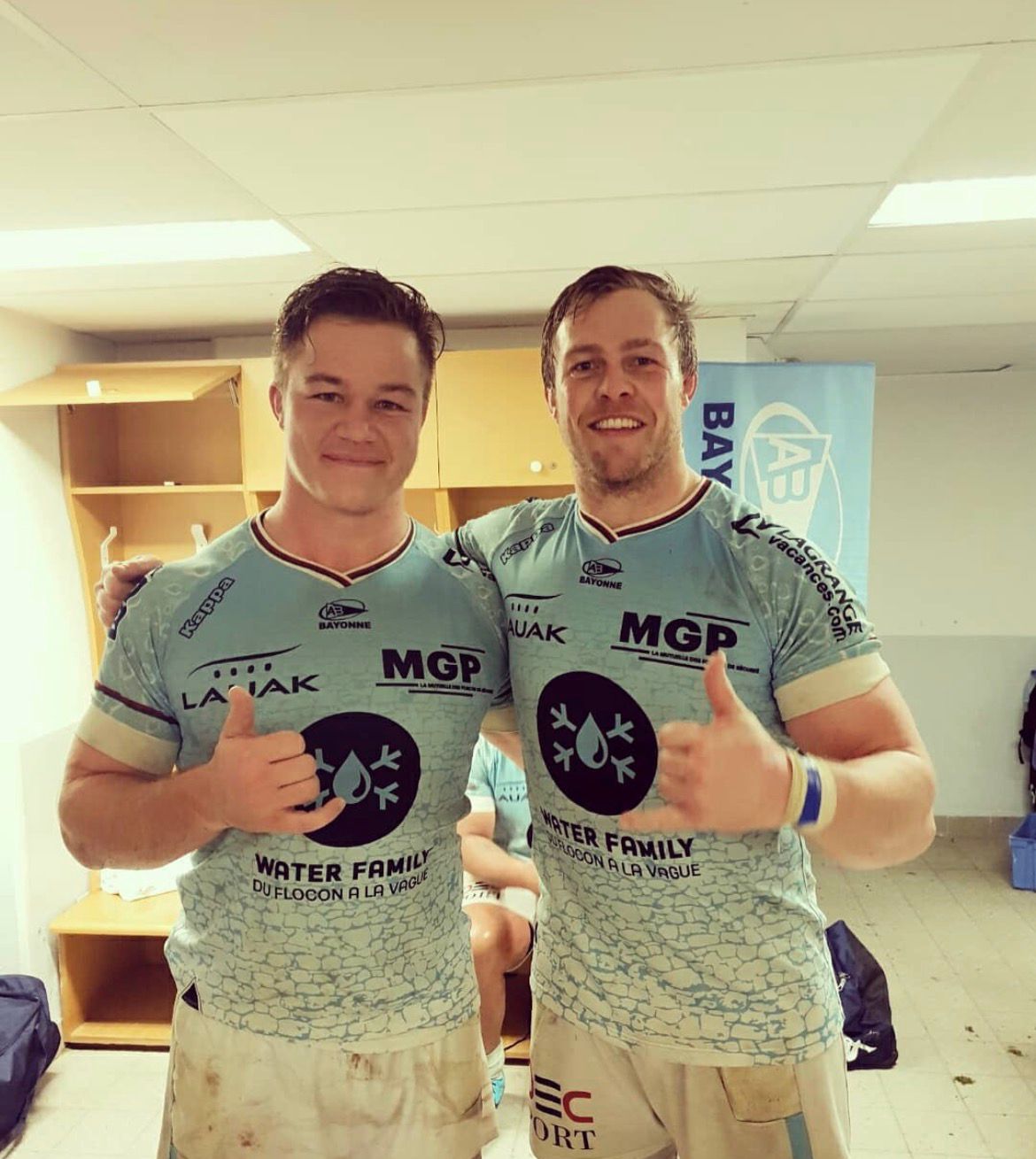
Whyte during his time at Bayonne after winning the Pro D2 in 2018-19
Whyte played for London Scottish during the 2019-2020 season until the world was plunged into lockdown because of the COVID-19 pandemic. Changes in finances at London Scottish during that time meant that Whyte had to reassess other options. The prop didn’t want to move on from rugby when he felt like he had more to give to the sport he loves.
‘There was a lot of uncertainty. But then Ealing Trailfinders came forward and said that they had been watching me and were impressed. They offered to bring me in. The rest is history.’
The Learnings
Reflection is a key skill to enable professional athletes to succeed. Without reflection, there’s no way for an individual to learn, grow, and implement change. Whyte offered his thoughts on some of the biggest challenges from his career, what he learnt from them and how he’s using those reflections to set up a platform for a career post-rugby in restaurant management.
‘One of my biggest challenges at Ealing Trailfinders was not playing consistently at a point during my time here. When you’ve been at a club for as long as I’ve been at Ealing for, of course there are ups and downs. It can seem like groundhog day when you feel like you’re not performing at your best.
‘I think it was either my third or fourth season at Trailfinders where I wasn’t selected for about a ten-week period because I was off form and needed something outside of rugby to motivate me again.
‘When Brett Wilkinson was here at the Club, he was a good role model for me. He spoke to me and said that I needed to find something else other than rugby that brings me excitement. Something that would take my mind off work.
‘At the time, I was just coming in to do my gym work, training, rugby, then went home and didn’t do much. The cycle would repeat. So, I had to find my ways of motivating myself again.’
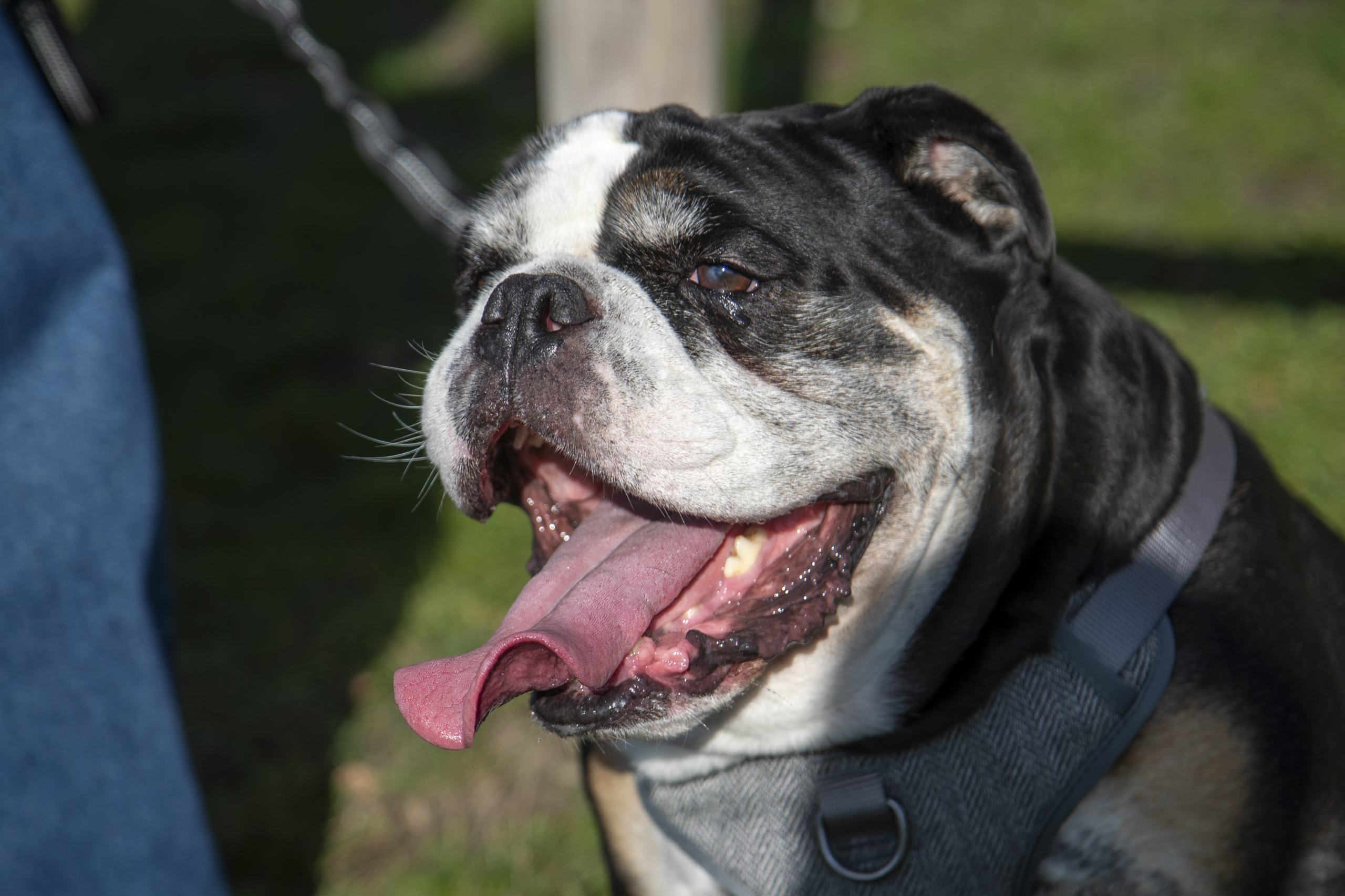
One of Whyte’s motivations is having downtime with his dog.
‘I enjoy taking my dog for walks. He keeps me going.’
‘I’m also studying on the side now – a business management course. And I’ve been speaking to someone that I met through Connect Through Sport. He’s organised a few meetings for me with people that work in restaurant management. I’ve got an upcoming meeting with the CEO of Six by Nico and we’re going to have a chat about exploring a career in restaurant management after rugby.
‘I love cooking and I enjoy food, but I could never see myself being a chef. With my business management course, I could see myself running a restaurant and hopefully in the future, open my own restaurant.’
Connect Through Sport is an initiative organised by the commercial department at Ealing Trailfinders. The programme aims to offer a bridge between athletes and the business world to create meaningful opportunities beyond the rugby field.
Whyte is immersing himself in the offerings of Connect Through Sport to help create a platform for his career after professional rugby.
The Highlights: a winning career
For many rugby players, they’re fortunate if their team wins one, perhaps two trophies in the course of their professional career. But for Whyte, there have been plenty of career highlights that have included winning silverware.
‘I’ve been very lucky with winning titles in my career. It started off with my under 19s season at Western Province. We won the U19 Currie Cup in my first season. In my second season, we won the U21 Currie Cup.’
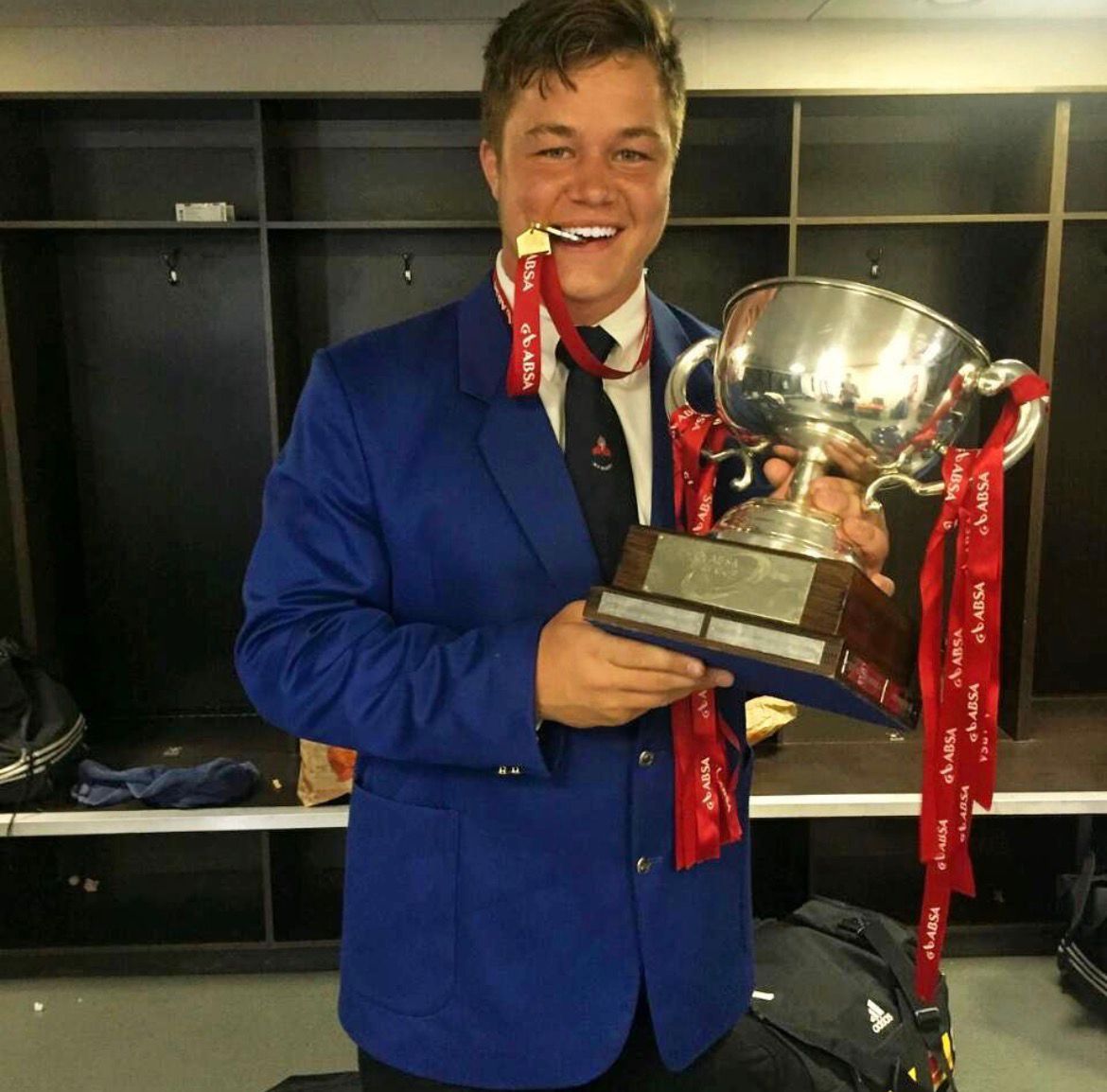
Whyte after winning the Under 21 Currie Cup with Western Province
‘When I moved to Edinburgh, I think on my third or fourth cap, we were in the quarterfinals of the European Challenge Cup. As a 21-year-old, that was a big deal for me playing against La Rochelle.
‘Another big moment for me was winning the Pro D2 with Bayonne.
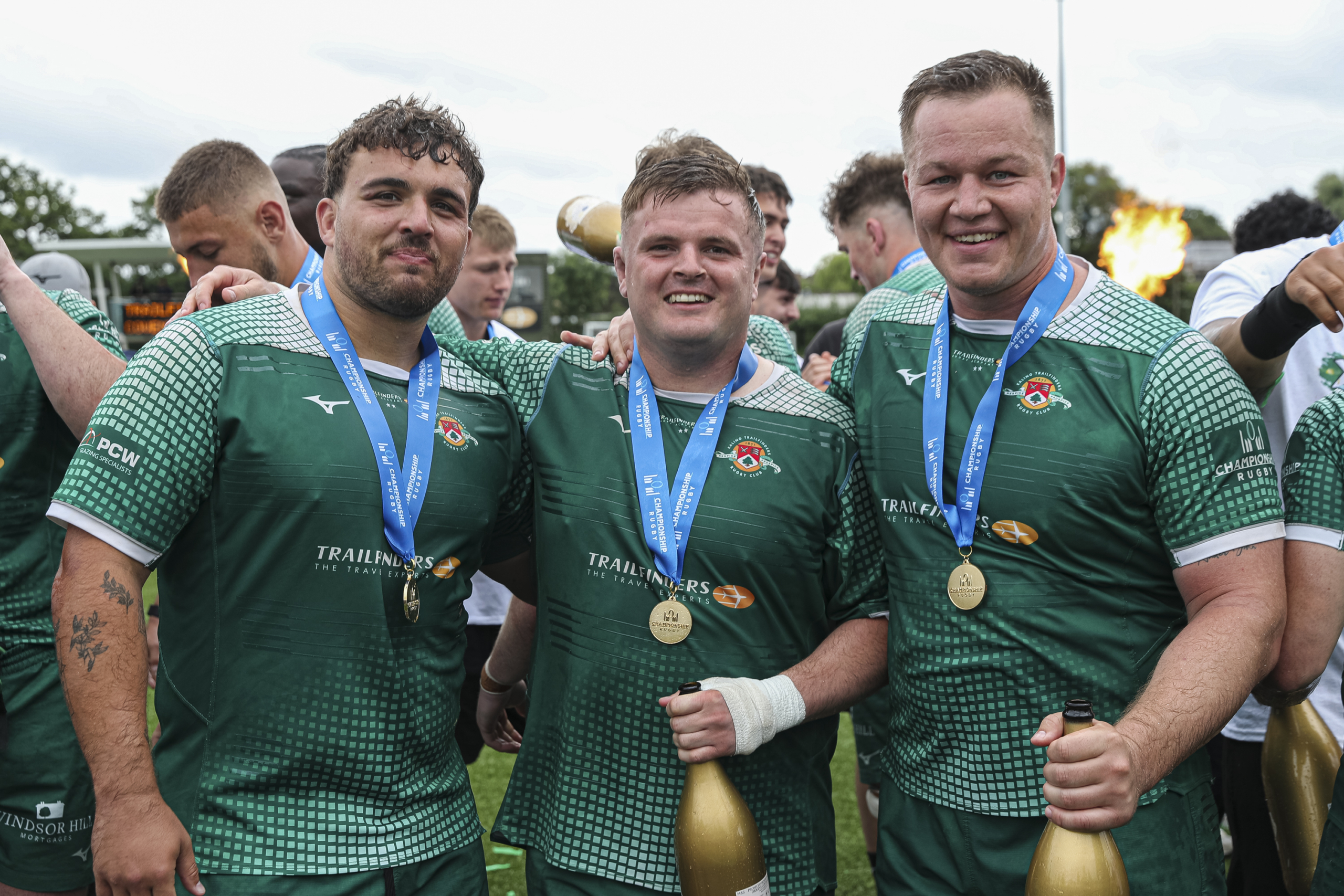
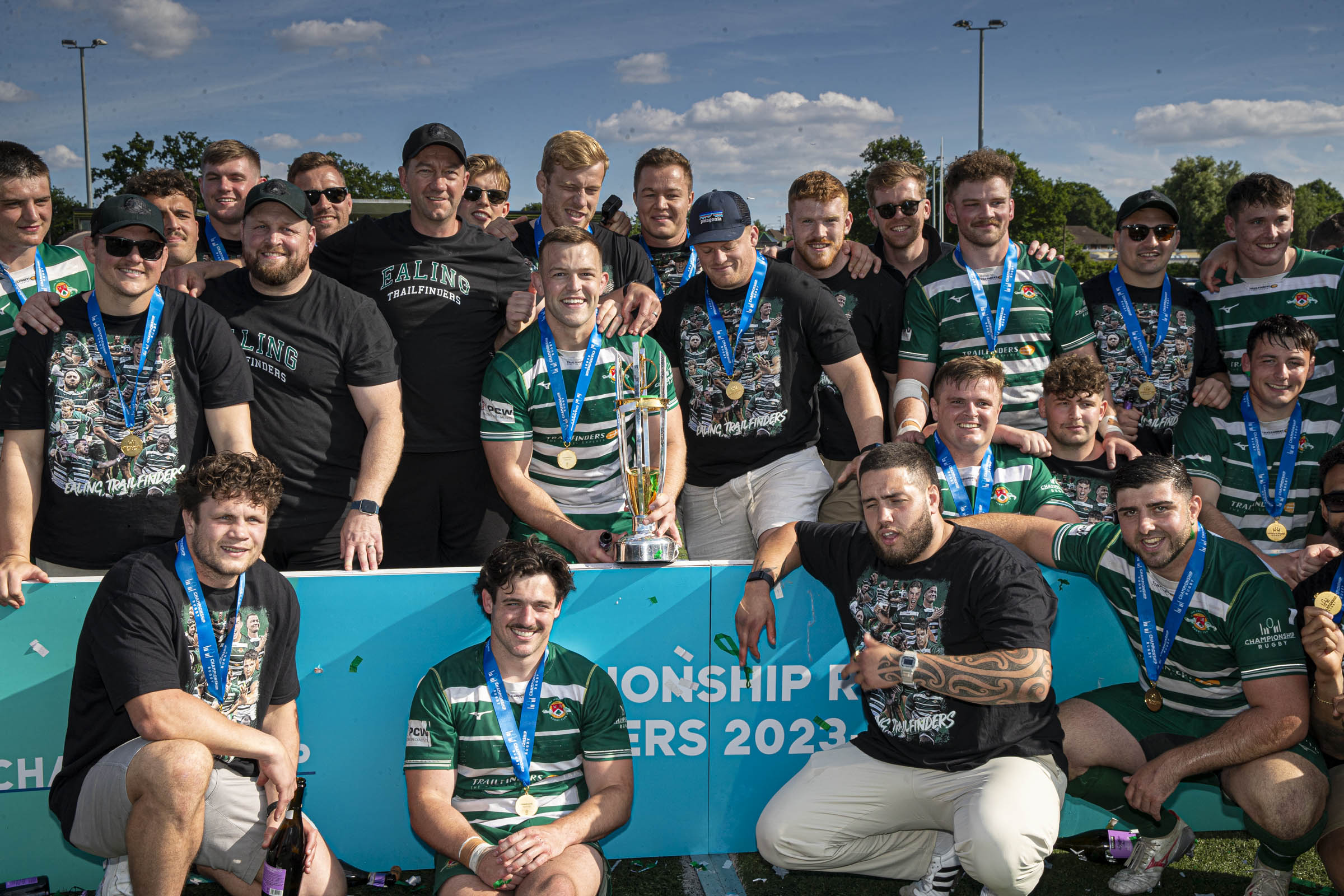
‘Then coming to Trailfinders and winning Championships. It felt very rewarding when we won the Championship for the first time because I had played so much rugby in Trailfinders colours. As with Bayonne, the win was great, but it wasn’t as rewarding because I didn’t play so much.
‘It felt so much more rewarding winning with Ealing because I had gotten through all of pre-season, played most games, and then to win was amazing.’
Goals for the future
Though Whyte has already completed a diverse and successful professional career, the loosehead prop still feels like he has plenty more to give to the sport before pursing his goals of restaurant management.
‘I’d like to say that I have four-five more years left in me with rugby. I want to keep pushing myself, putting myself in contention for selection. We’re an ambitious club – we want to play against the best.
‘We have a lot of talent coming through at the club, so I want to put myself in the best position to continue being selected.
‘It’s also important for me to set up a life after rugby. Once I’m finished as a player, I do think I’ll have a clean break away from the sport. Coaching isn’t something that I want to pursue.
‘Of course, I still want to make the most of my time in rugby but after it’s over, I’d like to do something completely different. Hence why I’m trying to work towards restaurant management with my studying and involvement with Connect through Sport.’
Having the right people at your side
Success is rarely achieved in a vacuum. Often, it is the people around us who help to ensure our success. For Whyte, there are three people who have shaped him into the athlete and individual he is today.
‘My partner, Lauren. We’ve been living together for the past year and we’re big support systems for each other. We always find time to listen to each other, especially after days that feel harder than others.
‘Lauren comes to a lot of the home and away games too. She’s a big part of my support system.’
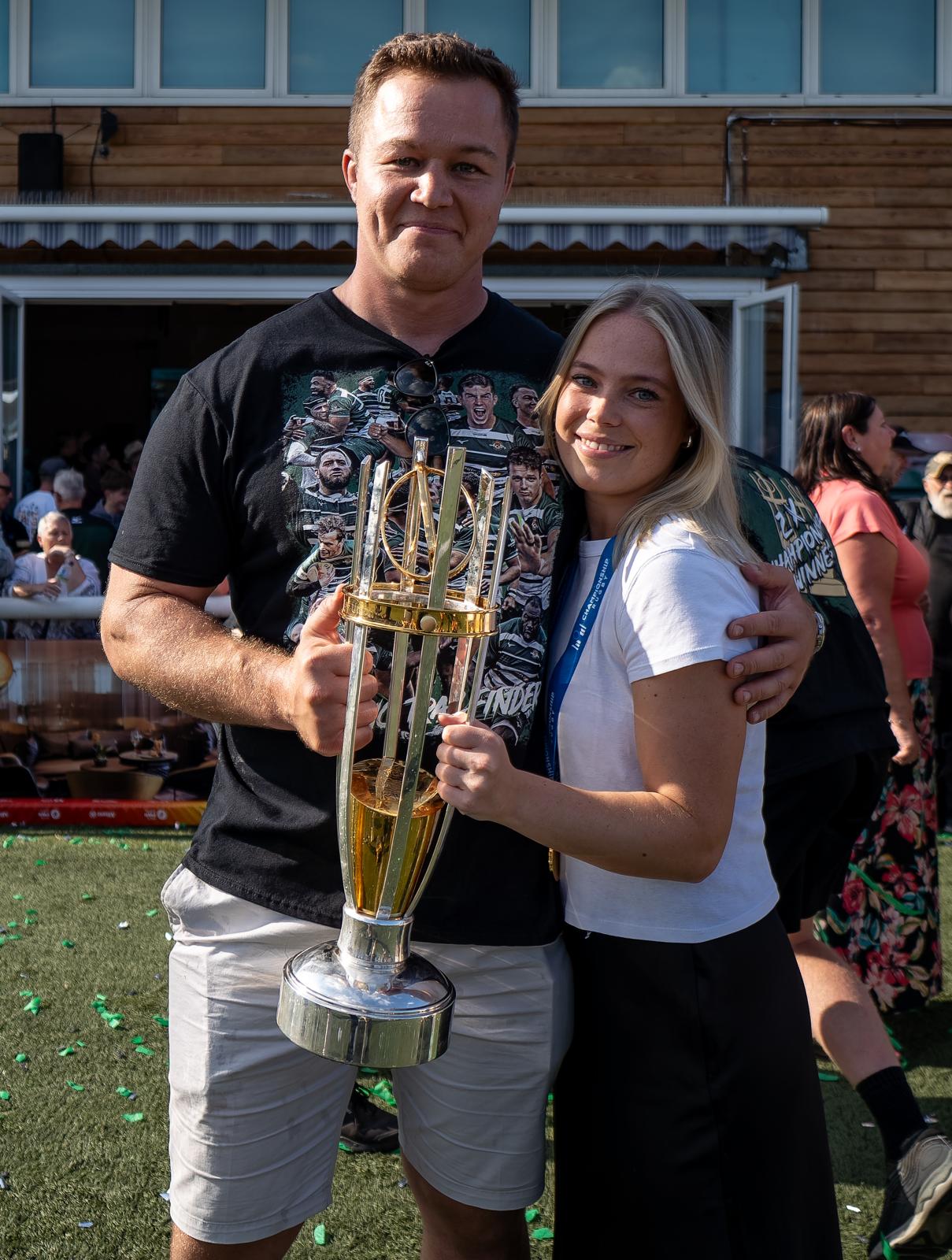
Kyle and his partner Lauren
‘My father is also a big part of my life too. I speak to him a lot. He’s always been very supportive of my career.
‘Rod, my old coach and agent too. Whenever I have questions or concerns about my career, he’s someone that I always go to. Rod has always been a great friend of mine – kind of like a brother.
‘Rod has helped me a lot with my career choices and has looked out for me. He’s a great guy. When I went back to South Africa on holiday last year, I stayed with him for a couple of days. We braaied, had a few drinks and lots of conversations. It was nice to be with him.’
It’s often the case for many South Africans that the best memories are made with meat over a flame, the conversation flowing with the braai in full swing.
If you could give advice to your younger self
With time comes learning and sometimes it’s the case that only time can teach an individual the most important life lessons. Whyte offered his thoughts on what he might say to his younger self if he could, to the young boy at Bishops in Cape Town who first picked up a rugby ball.
‘I probably wouldn’t say much. Though, I would say, just do what you’re going to do in life and learn from the mistakes you make.’
What it means to be a Trailfinder
Whyte is one of nine club centurions in Trailfinders’ professional era. He offered his thoughts on what it means to don the green and white colours.
‘Being part of Trailfinders has taught me a lot. Every team wants to win and it’s rewarding winning more than losing and being on top. But it also teaches you that you need to be on it every week, to not take anything for granted because there are a lot of people who would love to be in the position you’re in.’
Whilst Whyte will surely accumulate more caps for the Club in weeks, months, and seasons to come, for now the focus is on performing at his best and helping Ealing Trailfinders continue to make history.